When the body knows more than words
Body Psychotherapy
Psychotherapy that is more than talking. With Tatjana Mršić – in person in Zagreb, Savska cesta 7, or online.
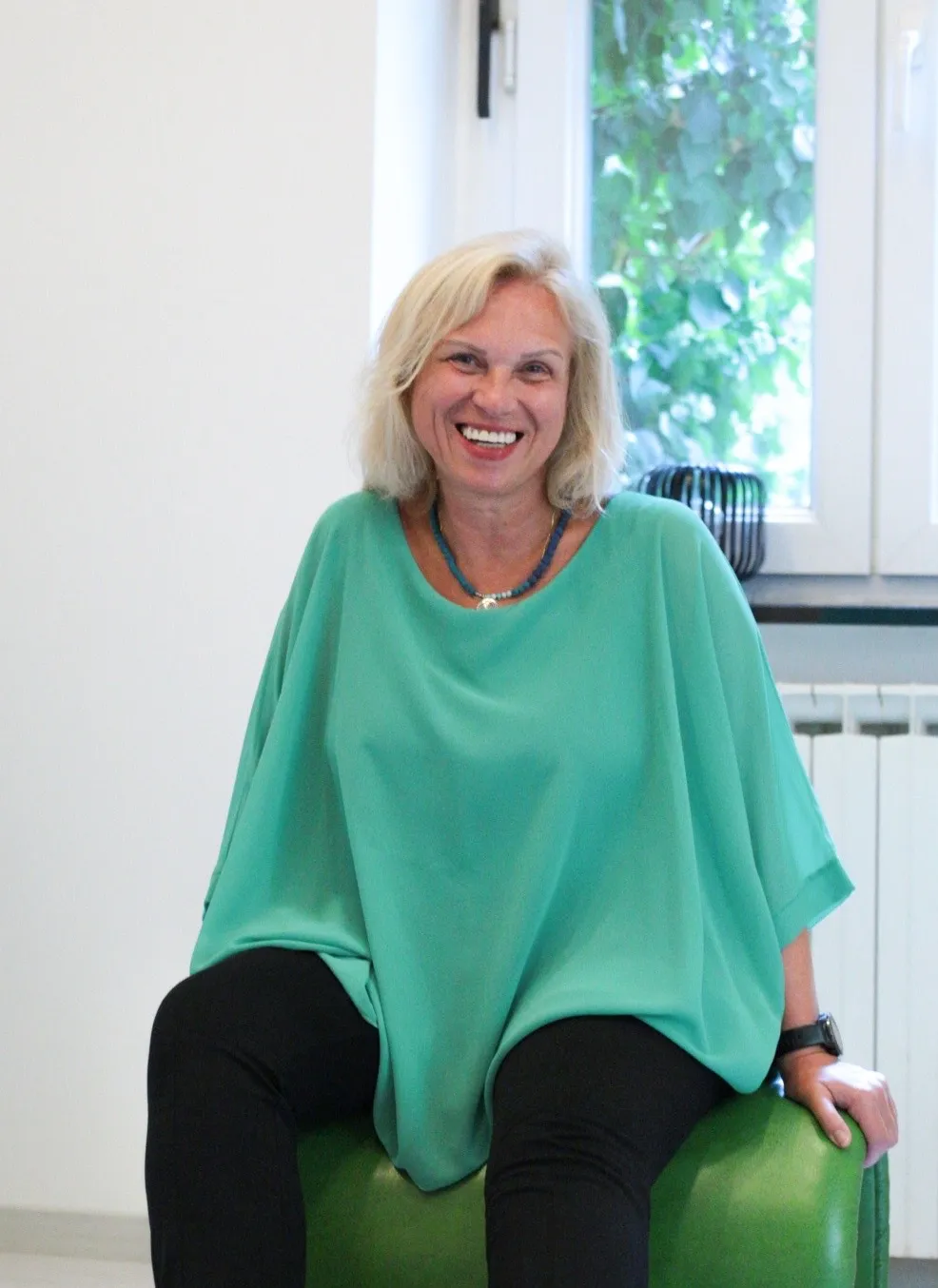
Do you feel tension, heaviness or confusion?
Maybe you say things you later regret, or make decisions that aren't really yours but those of the people around you. Or you're going through a hard time and it's all too much. All of this can bring up feelings like tension, heaviness or confusion. What we go through doesn't only affect our thoughts and feelings – in its own way, it also stays in the body.
Tension
Tension often shows up in the body too – in your shoulders, your jaw or your breath.
Heaviness
You feel like you're carrying more than your share, and it wears you out.
Confusion
You don't know where you stand or what to do, and that leaves you feeling pressured and uneasy.
You don't have to do this alone.
You can look for support even before things get too hard.
What is body psychotherapy?
Body psychotherapy is an approach that works not only with words but also with what the body feels and expresses.
Our thoughts, feelings and bodily experiences are connected. For example, when we're afraid, we may feel a tightness in the throat or tension in the stomach. When we feel safe, our body can relax.
In body psychotherapy, through conversation and different forms of body work, we explore what we feel, how we react and what is happening inside us. This way we can also recognize feelings we weren't aware of before, but which shape our behavior.
We also learn how to help ourselves in demanding situations, so that we can calm down when we need to and stay in touch with ourselves.
Body psychotherapy also opens up new experiences. For example, we may feel support where we expected there would be none, or express ourselves openly through voice and movement. Such experiences can help us change how we react in life and relate to ourselves and others.
Practical information
In person in Zagreb, at Savska cesta 7, or online.
One session lasts an hour and costs €60.
Sessions by appointment.
Languages: Croatian and English.
We work together
We focus on whatever brings you to therapy. Through conversation and body work, we explore what's happening for you and work together toward what you want to achieve.
What will you gain?
Body psychotherapy can help you:
- Understand your feelings and reactions.
- Recognize what's troubling you and what you need.
- Learn how to help yourself when you feel tension or inner pressure.
- Recognize your automatic reactions and explore other options.
- Build trust in yourself and your own decisions.
- Make decisions that are truly your own.
- Feel safe and at ease in your own body.
About me
I'm Tatjana Mršić, a licensed counseling therapist in body psychotherapy.
Throughout my long professional career, and outside of work too, I've been interested in people, their relationships and the way we relate to one another. Why is it hard for some of us to say NO, why do we agree to things we don't want, and how do we recognize what we actually want to say YES to?
These questions, along with a personal wish for change, led me to train in body psychotherapy. During my training, I was especially moved by how much we are influenced by what comes from the unconscious parts of ourselves – and that we can work with them through the body.
What I experienced in training and the changes I went through inspired me to become a therapist myself and to help others in a similar way, through body psychotherapy.
How I work
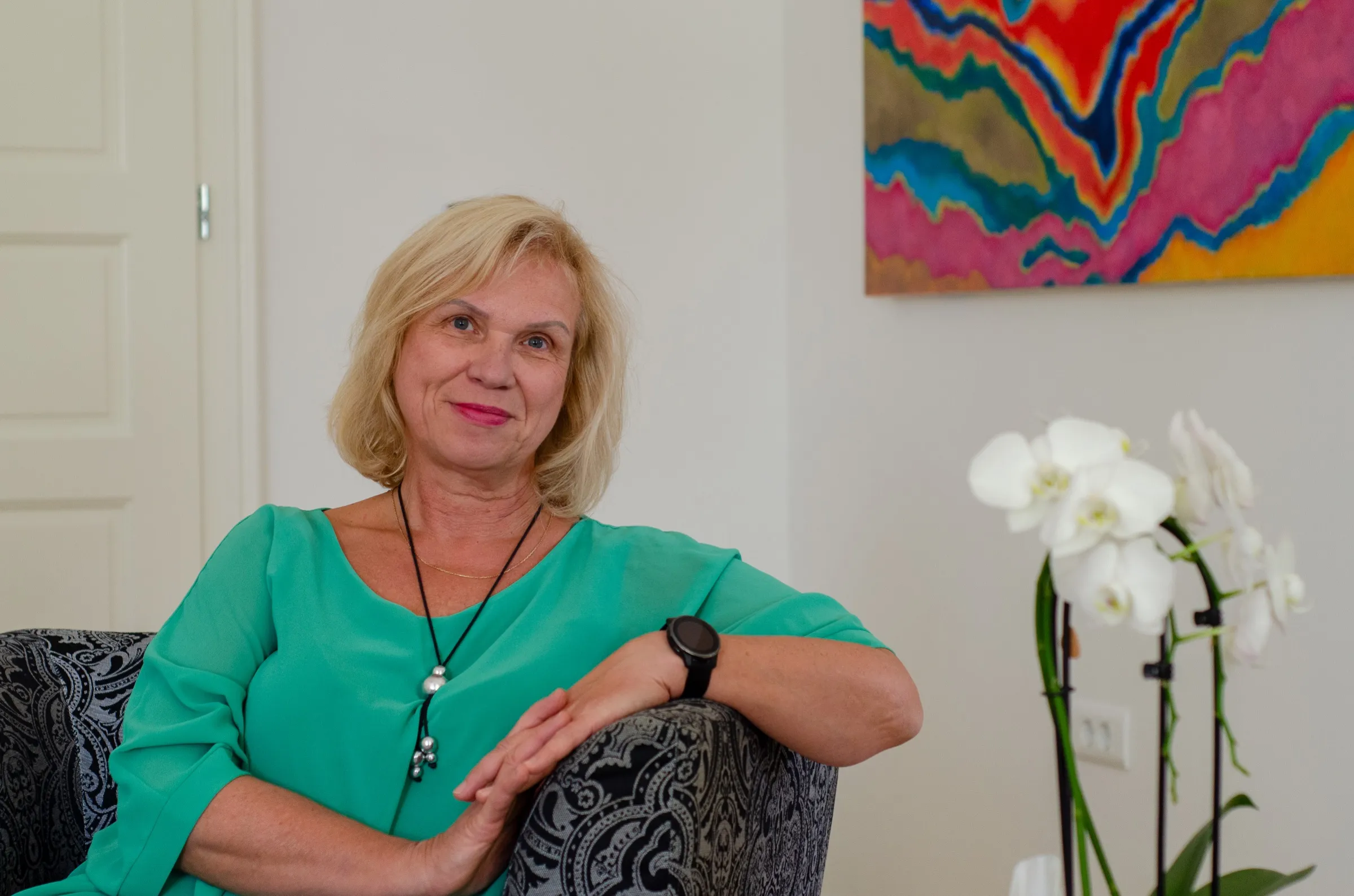
Today, I work with clients through conversation and body work. Together, we look at what lies behind their difficulties and what they can do to feel at peace with themselves, find support within themselves and feel satisfied with life. I focus especially on people who find it hard to say NO, who often agree to things they don't want and struggle to recognize what they themselves need.
Training and membership
- Training in integrative body psychotherapy, Center for Integrative Development (CIR), Zagreb
- Member of the Croatian Chamber of Psychotherapists (HKPT)
I help people who find it hard to say NO, who feel they too often go along with what others want, and who are no longer sure what they themselves want and need.
Where will we meet?
In psychotherapy, a sense of safety matters. It grows over the course of therapy and helps us talk about what's troubling us, explore our own experiences and try something new.
What matters most is the relationship with the therapist, trust, and the freedom to decide for ourselves how much we want to share or what we take part in.
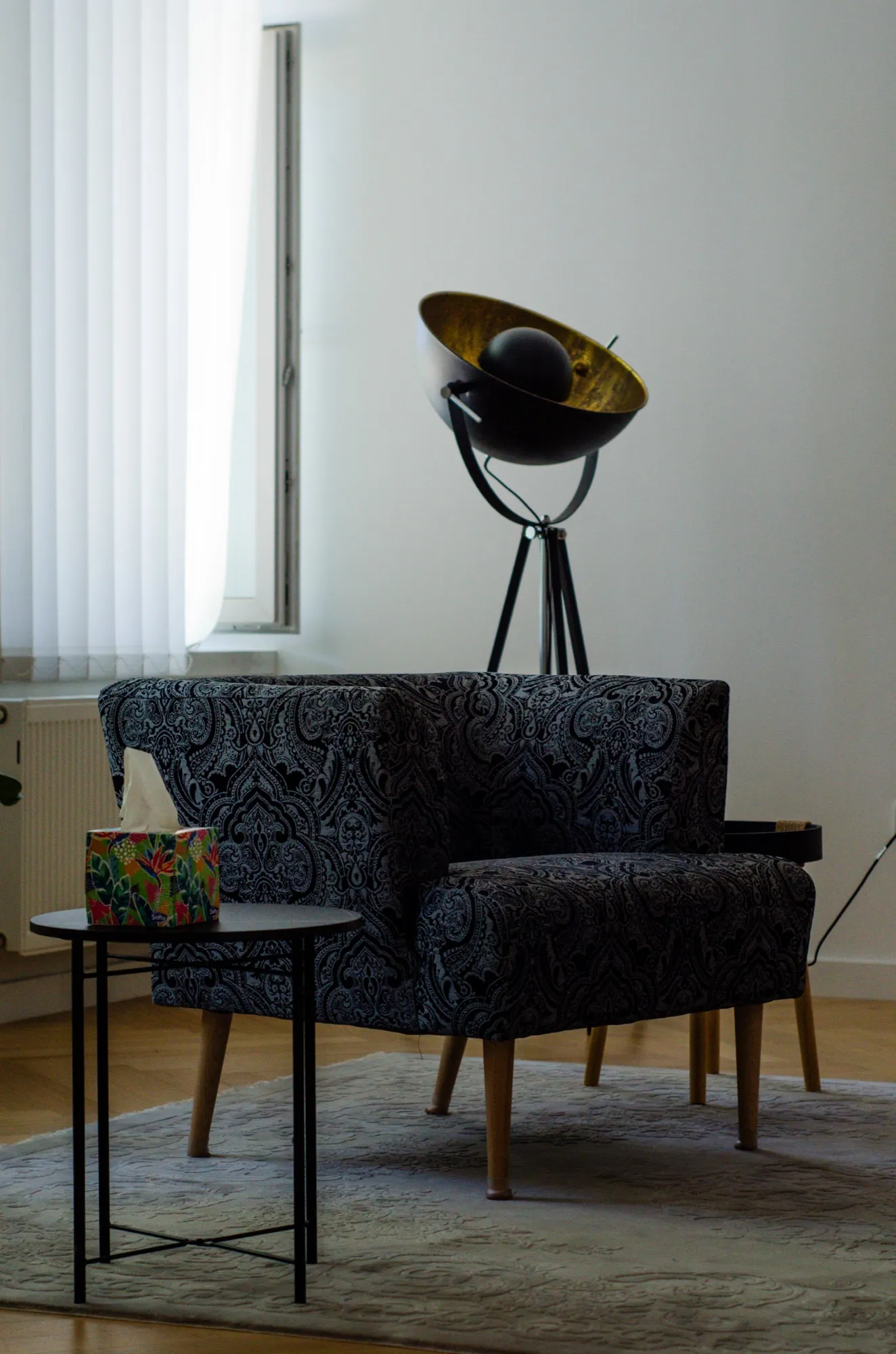
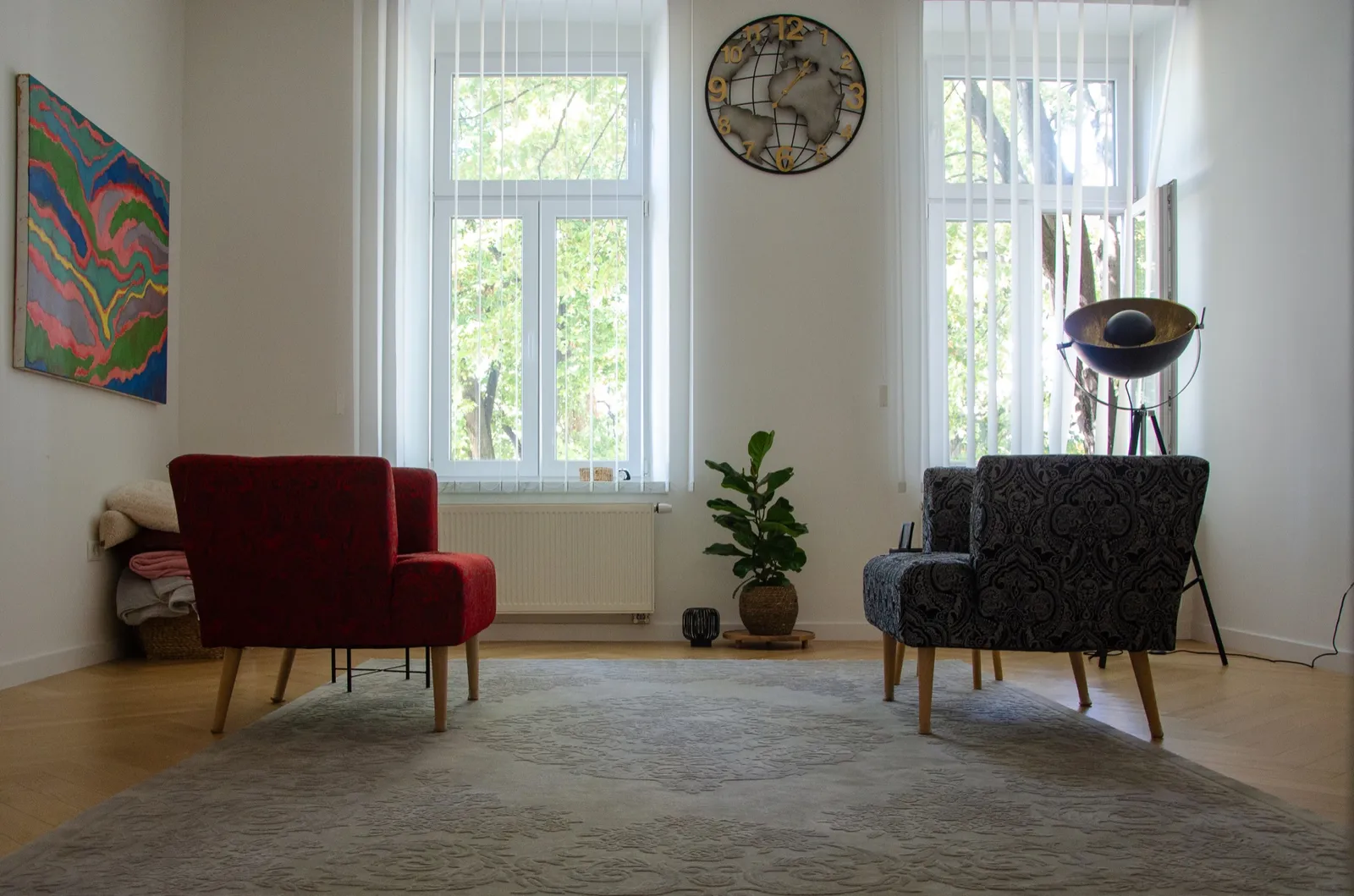
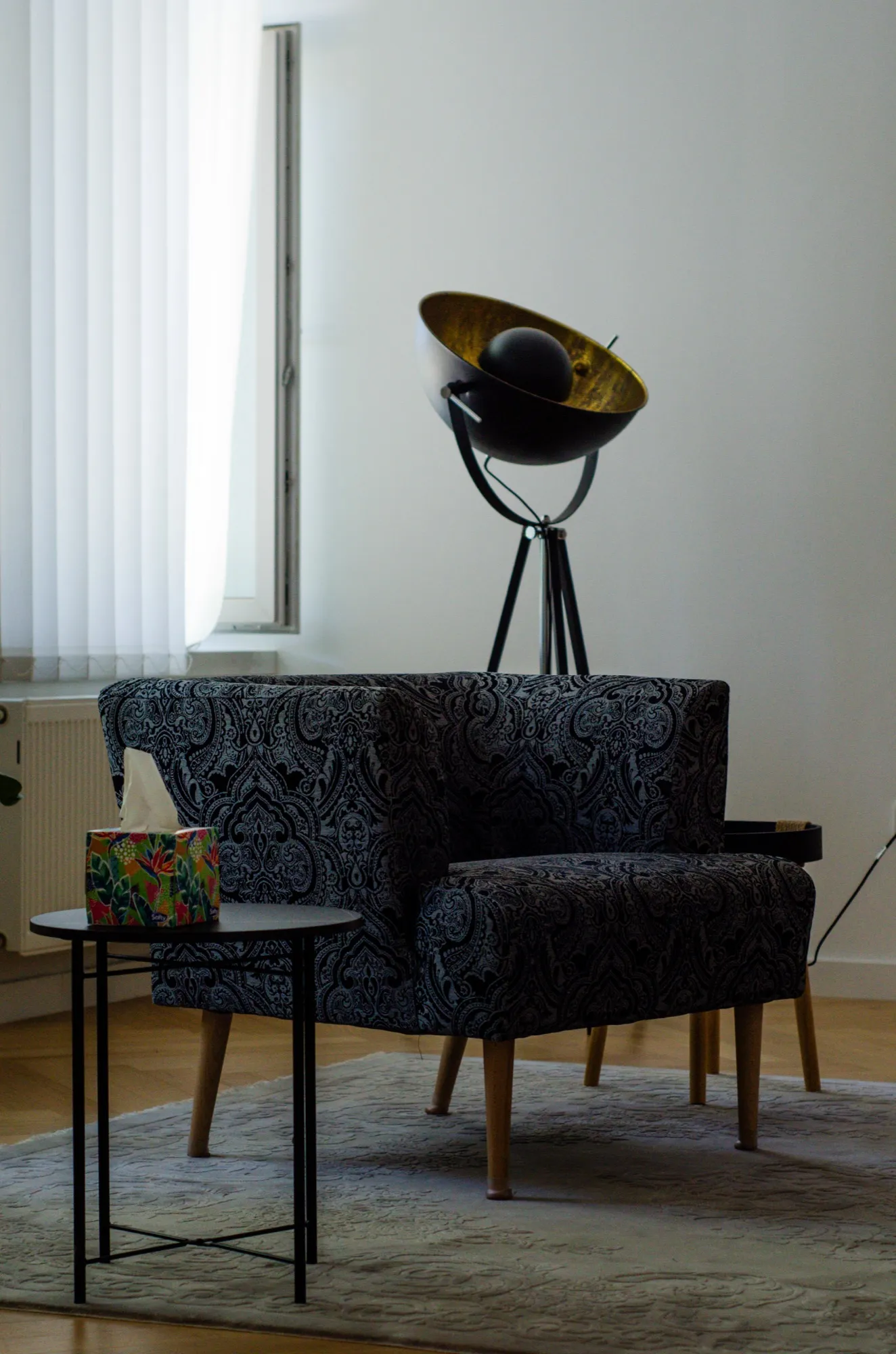
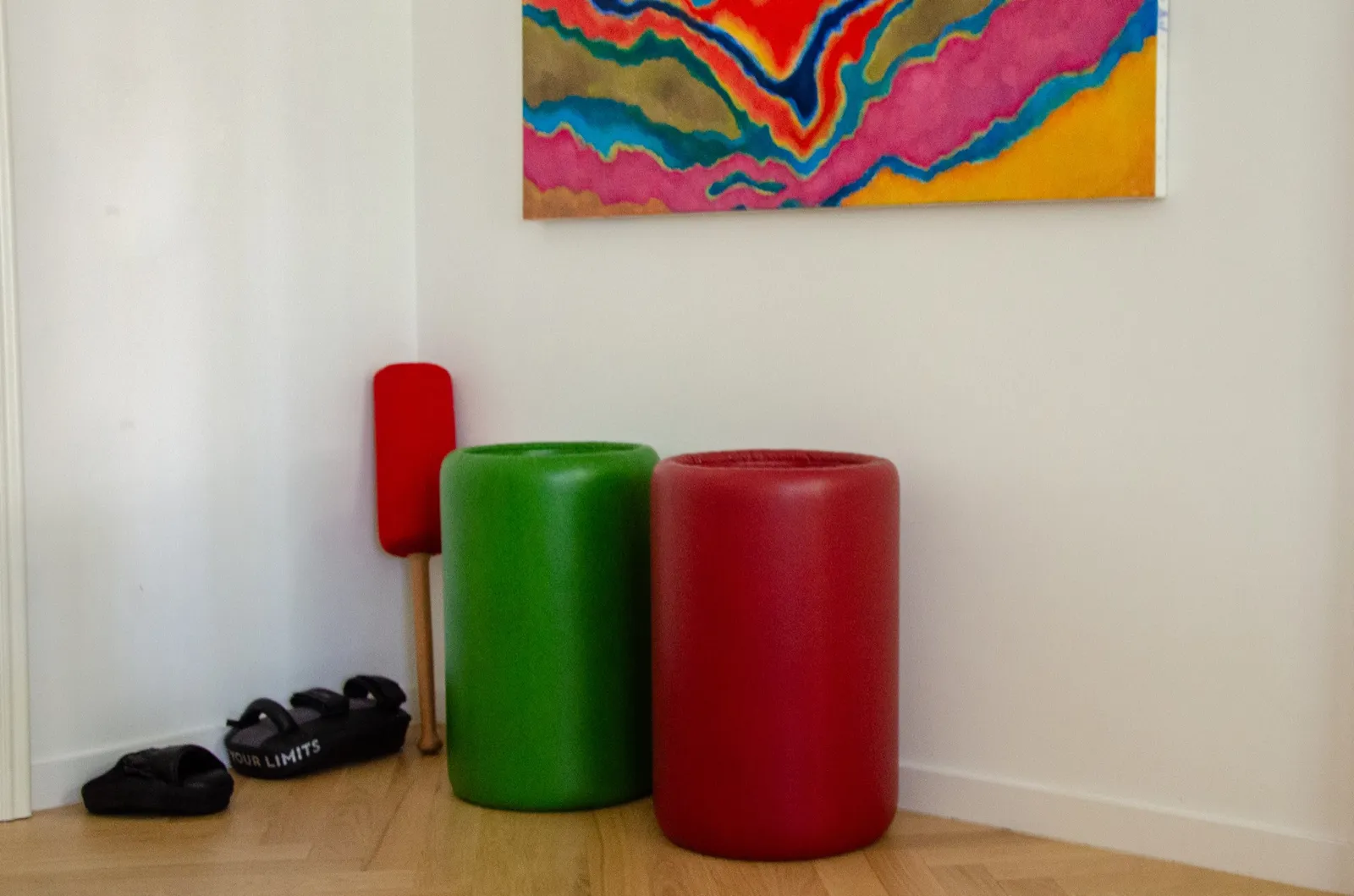
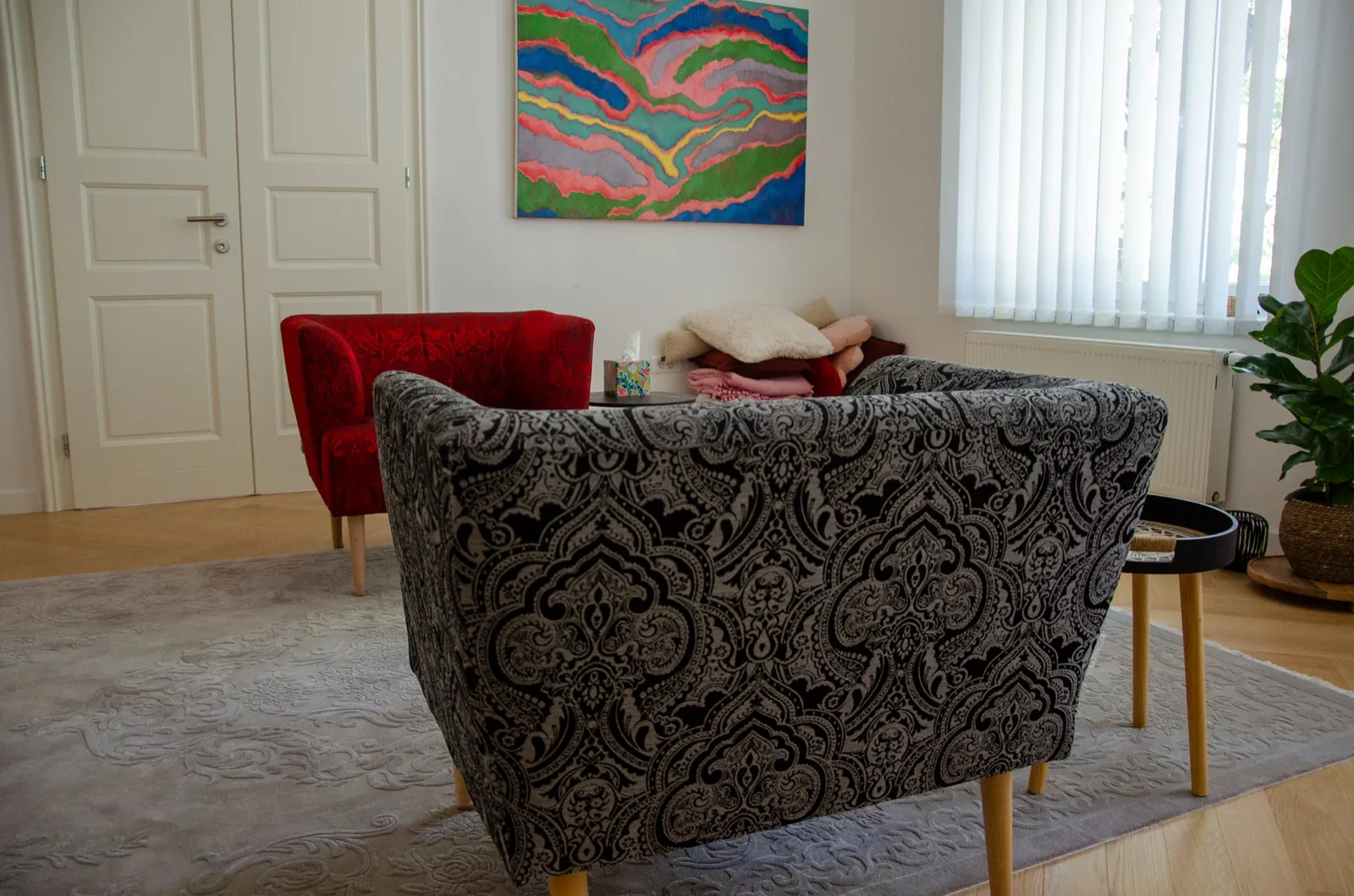
The space where therapy takes place also plays an important role. Its design and atmosphere help you feel welcome, comfortable and safe.
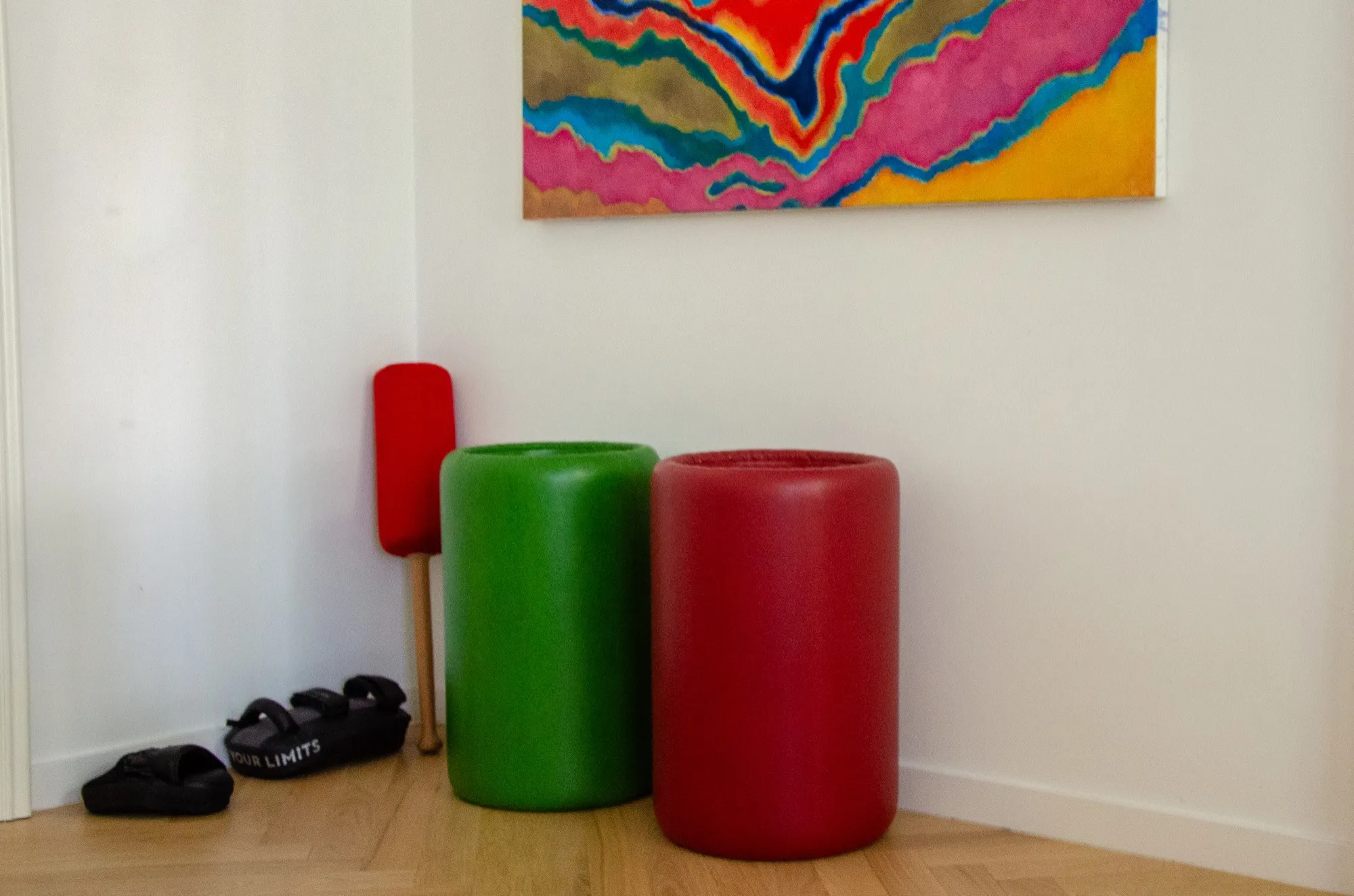
The Savska 7 space was set up with exactly that in mind, and also to allow for talking, movement and other forms of body work that are an essential part of body psychotherapy.



Book your session
Ready for a change? Feel free to reach out – even if you just have a question. Sessions are in person in Zagreb (Savska cesta 7) or online.
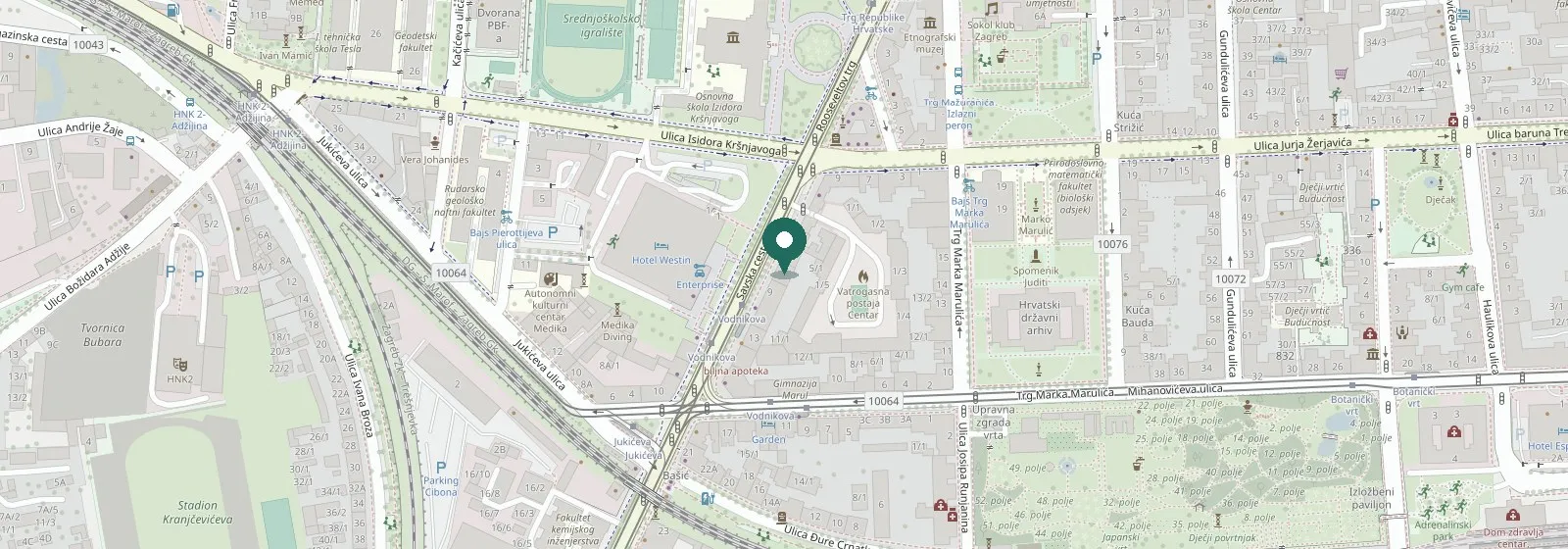 Directions in Google Maps
Frequently asked questions
What is psychotherapy?
Psychotherapy is a professional relationship in which, with a therapist's support, you work on the difficulties that brought you there and the changes you want to make.
Do I need to have a serious problem to come to psychotherapy?
You don't.
People get in touch for very different reasons: anxiety, loss, difficulties in relationships, changes at work, or the feeling of being in a life situation that is hard to cope with.
Someone is troubled by always trying to please others. Someone doesn't know how to deal with anger. Someone wants to understand their own reactions. And someone simply wants to explore themselves and their inner world.
There is no rule that you need to have a problem to start psychotherapy. You don't have to compare your reasons with other people's or justify your decision.
What if I don't know what to say?
You can say exactly that.
“I don't know where to start” is a perfectly good way to begin the conversation.
You don't have to prepare a list of problems or decide in advance what you will talk about. The therapist is there to help you explore what brought you here and what matters to you.
Will the therapist tell me what to do?
If you are facing a difficult decision, it's understandable that you want advice.
But it isn't the therapist's job to decide for you.
In psychotherapy we can explore what you really want, what you are afraid of, what makes the decision hard and what options you have. Together we work toward a decision you can stand behind, and toward finding the strength and confidence to carry it out.
This can also include preparing for specific situations and conversations ahead of you.
Do I have to talk about my childhood and the past?
Understanding earlier experiences helps us see why we react the way we do in situations in our lives today. But we can start from what is hard for you right now, or prepare for a situation that lies ahead. Through work with the body we can learn to cope with tension and unpleasant feelings, and find a sense of safety and support within ourselves.
How much you talk about the past, and when, is something we discuss during the therapy process. You don't have to talk about anything you aren't ready for yet.
What if I cry, get angry or feel uncomfortable?
If you cry, get angry or feel uncomfortable during therapy, you don't have to justify it.
You don't have to make sure you always stay calm, hide your feelings or say only what you think the other person will be comfortable hearing.
Anger, shame and other unpleasant feelings are an important part of our experience and can tell us a lot about what we are going through. In therapy we can give them attention when you are ready.
In the therapeutic relationship you can also talk about things that are uncomfortable or hard to put into words. The therapist is responsible for confidentiality, a professional relationship and respect for your boundaries.
How many sessions will I need?
We can't know that exactly in advance. It depends on why you came, your needs, your goals and how the therapeutic work develops.
For some people, a few sessions help them see a particular situation more clearly. Longer-lasting changes in how you relate to yourself and others may take more time.
As we work, we can talk about what you are noticing, what is helping you and whether you want to continue.
What if the therapist isn't right for me?
Psychotherapy is also a relationship between two people, and we don't all suit each other equally well. So it is quite possible that you won't feel a connection with a particular therapist, or that their way of working won't suit you.
Of course, trust doesn't have to develop at the very first session. It takes time to get to know the therapist and to sense whether you can open up with them.
You can ask questions, talk about your doubts and say when something doesn't work for you.
If you decide that the relationship or the way of working isn't right for you, it's okay to look for another therapist. That doesn't mean psychotherapy isn't for you.
Recognizing that something doesn't suit you, saying so and standing up for yourself is in itself an important part of psychotherapeutic work.
How do I know whether I should get in touch?
You don't have to be completely sure.
If something has been bothering you for a while, you feel inner restlessness or tension, or you find it hard to cope with certain feelings and life situations, psychotherapy is worth considering. Especially if it affects your relationships, work or everyday life.
The reason can also be a sense of dissatisfaction you can't trace to a cause, or a wish to change something in your life without knowing how.
You don't have to wait until things get really hard to look for support.
Simply wanting to talk with a therapist about what you are going through is reason enough to get in touch.
Where do sessions take place?
In person in Zagreb, at Savska cesta 7, or online.
How long is a session and how much does it cost?
One session lasts an hour and costs €60.
How do I book a session?
Sessions are by appointment. Reach out by email, phone or WhatsApp – even if you just have a question.
What languages do you work in?
Croatian and English.